
WD-40, Silicone Spray, or Grease? The Complete Lubricant Guide
The Lubricant Handbook: Keep Your Home, Tools, and Appliances Running Smoothly
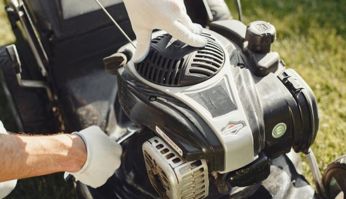
Ever wondered can I use WD-40 for this? Do I need to get another lubricant? Which Kind and why?
Moving parts that touch each other create friction, which causes wear, noise, heat, corrosion, and eventually failure. Lubricants help reduce friction, protect surfaces, repel moisture, prevent corrosion, and extend the life of equipment.
Lubricants are everywhere, every machine, tool, appliance, door hinge, lock, bicycle, garage door, lawn mower but they have their own uses, where they work best or should never be used, unfortunately you cannot spray whatever can happens to be nearby as it may often cause more harm than good.
Not all lubricants are created equal. Different applications require different chemistry.
Here is a quick primer on which lubricants to use when, so that you can carry on with your current experimint to improve your life in you own excellent way!!!
3 main types of lubricants:
1. Oil-Based Lubricants: The oldest and most common lubricants, most types of oils. Motor oil, Machine oil, etc. best used in Bearings, Hinges,Chains, Engines, but tend to attract dirst and dust, may degrade rubber seals. Over time, grime may combine with oil to form an abrasive paste that does more harm than good.
2. Grease Lubricants: Grease is essentially oil combined with a thickening agent, named such as Lithium grease, Marine grease etc, best used in wheel bearings, heavy machinery, metal gears. These are longer-lasting, they stay in place and can handle heavy loads. However, they cannot be used fine mechanisms such as locks and electronics. Grease once it gets dirty can be difficult to remove.
3. Dry Lubricants: Yes, almost an oxymoron, are graphite lubricants or teflon sprays also known as PTFE. They are best used in Locks, sliding mechanisms and dusty environments. They dont attract dust and can form a long lasting coating. While great at what they do, they cannot handle extreme pressure, thus cannot be used in high speed bearings or heavy load gears.
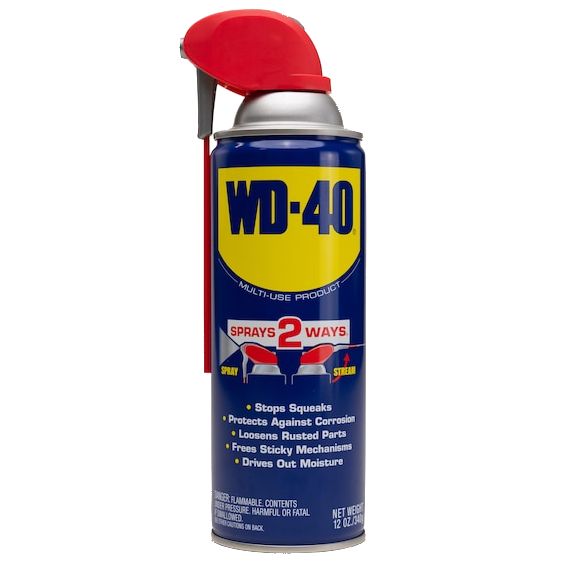
WD-40 Silicone Lubricant
WD-40: The panacea
What Exactly Is WD-40 ?
WD-40 stands for “Water Displacement, Formula 40”, it was originally developed to protect aerospace equipment from rust and corrosion.
Many people think WD-40 is a lubricant but it is primarily a water displacer, rust preventative penetrating fluid cleaner. While it provides temporary lubrication, it is not a long-term lubricant.
WD-40 is great at loosening rusted parts by freeing stuck nuts, bolts, hinges, and fasteners.
It pushes moisture away from metal surfaces and is useful after rain exposure, flooding, Washing machinery and removing Sticky Residue.
It can help remove adhesive residue, grease deposits, light corrosion and prevent rust by forming a thin protective film.
Now that you know WD-40 is not a lubricant, avoid using WD-40 on door hinges instead use a silicone lubricant or grease instead.
Bicycle and motorcycle chains require dedicated chain lubricants.
Proper grease or silicone lubricants work much better on garage door rollers.
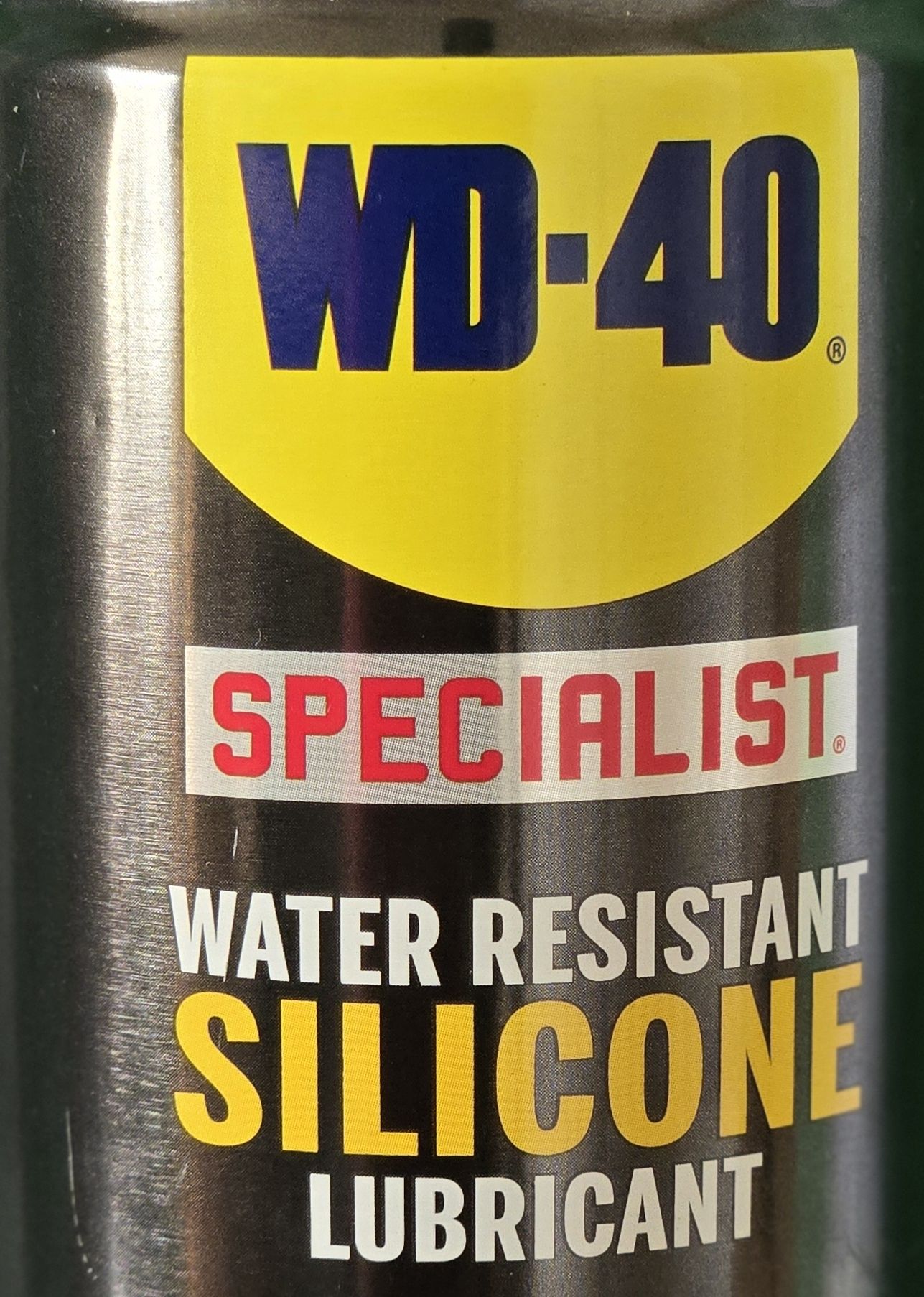
WD-40 Silicone Lubricant
Silicone Lubricants: The Unsung Hero
Silicone lubricants are becoming increasingly popular because they work where traditional oils often fail.
They use silicone compounds instead of petroleum oils and are available as sprays, gels, greases and liquid lubricants.
They repel water, resist temperature extremes, do not attract dust and is safe for many plastics and rubber materials, which makes it ideal for modern appliances and equipment.
They are perfect for car door seals, refrigerator gaskets, freezer seals, garage door weatherstripping, garage doors, rollers, hinges and tracks. As they prevent prevents drying, cracking, and sticking of plastic components they can be safely used on plastic gears, sliding tracks and plastic hinges.
They are also quieter and are widely used in plumbing, industrial systems and exercise equipment such as Treadmills.
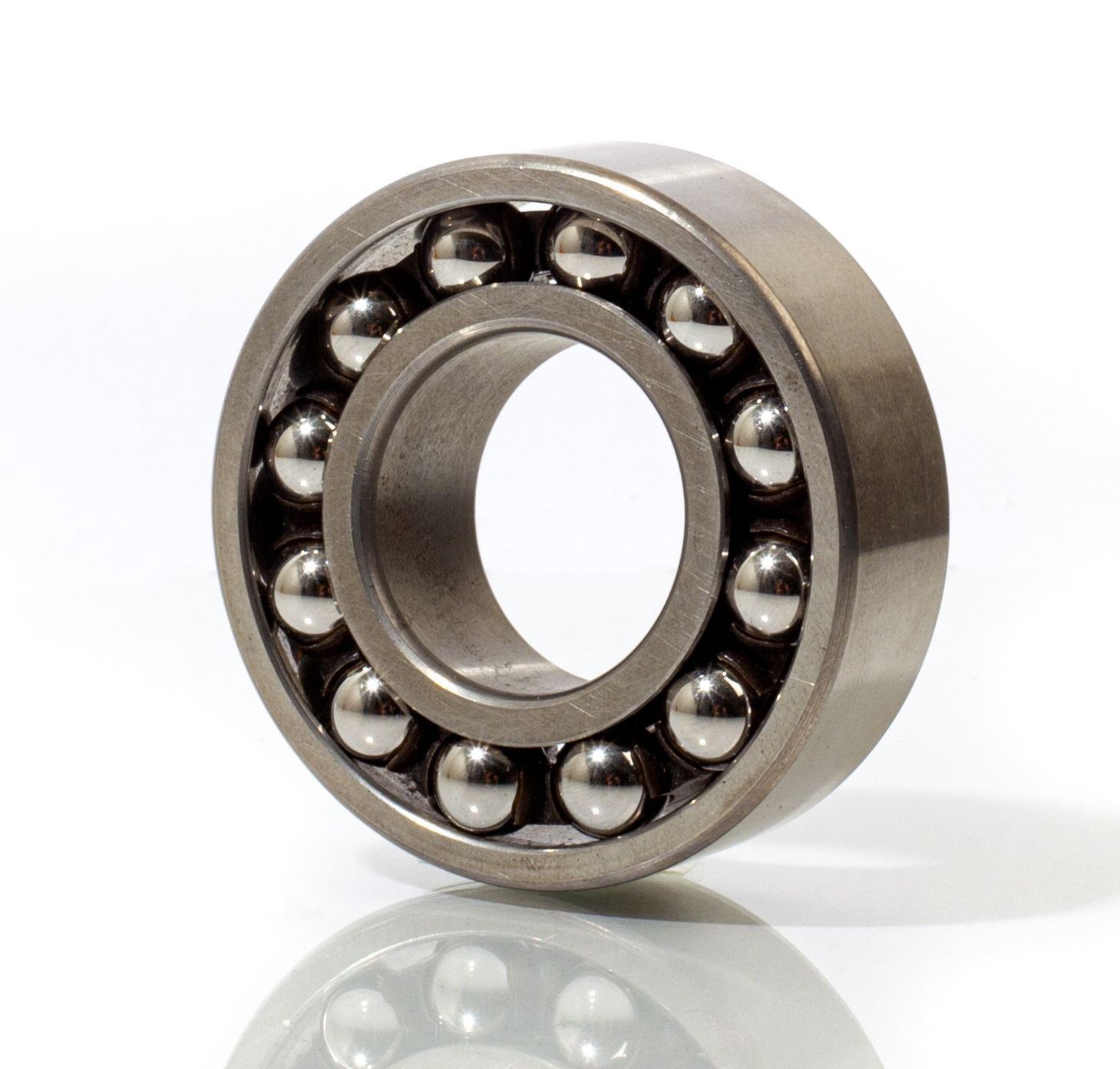
Ball Bearing
The special ones
White Lithium Grease is excellent for metal-to-metal contact, garage doors, hinges and automotive applications. It is long-lasting and highly protective.
Super Lube Multi-Purpose Synthetic Grease
Graphite Lubricants are ideal for Locks, Keyways, Dry mechanisms. As Graphite is dry, it does not collect dirt.
Hillman 703185 Graphite Tube 3G, White Key Lock Lubricant
Marine Lubricants are specifically designed for Boats, Docks, Coastal environments. They resist water washout better than conventional grease.
Lucas Oil Products 8072382 16 oz Marine Grease
Food-Grade Lubricants are used in food processing equipment, kitchen machinery and commercial appliances where accidental food contact may occur.
KEZE Waterproof Food Grade Silicone Lubricant
Environmentally Friendly Lubricants are Biodegradable lubricants and are becoming increasingly important. They have reduced environmental impact, lower toxicity and improve workplace safety. Commons sources are Vegetable oils, Synthetic esters, Renewable materials
Bearing Grease is a thick, long-lasting lubricant formulated to stay in place under heavy loads and high speeds, reducing friction and wear while protecting bearings from heat, moisture, and contamination.
Lucas Oil 10574 Red “N” Tacky Grease
Chain Lube is specialized lubricant designed to penetrate chain links, reduce friction and wear, repel moisture, and protect bicycle, motorcycle, and industrial chains from rust and corrosion.
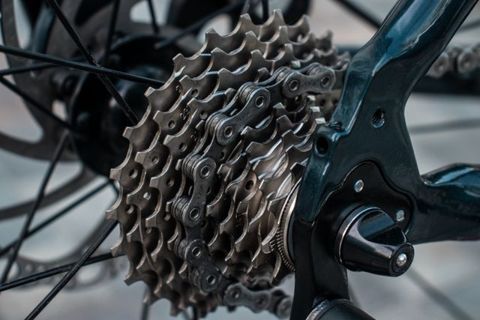
Bicycle Sprocket
Muc-Off Dry Chain Lube, 50 Milliliters - Biodegradable Bike Chain Lubricant
When to use What?
| Application | Recommended Lubricant |
|---|---|
| Rusted bolt | WD-40 |
| Stuck hinge | WD-40 initially, then grease or silicone |
| Door hinge | White lithium grease or silicone |
| Garage door rollers | Silicone or lithium grease |
| Locks | Graphite lubricant |
| Rubber seals | Silicone lubricant |
| Plastic gears | Silicone lubricant |
| Bicycle chain | Chain-specific lubricant |
| Wheel bearings | Bearing grease |
| Treadmill belt | Silicone lubricant |
| Outdoor metal equipment | Grease or corrosion-resistant lubricant |
| Marine equipment | Marine grease |
The Golden Rule of Lubrication
If you remember only one thing, remember this:
- Use WD-40 to clean, loosen, and protect.
- Use silicone lubricant for plastic, rubber, sliding surfaces, and moisture-prone areas.
- Use grease for heavy loads and metal-to-metal contact.
- Use dry lubricants when dust and dirt are concerns.
Choosing the correct lubricant is not just about making something move smoothly—it is about protecting your investment, reducing maintenance, extending equipment life, and preventing costly repairs. A five-dollar can of the right lubricant can often save hundreds of dollars in replacement parts and repairs.
Happy smooth eXperiminting !!